Hey there! I’m a supplier of rack and pinion systems, and I often get asked about what materials are used to make these nifty mechanical components. So, I thought I’d share some insights on this topic. Rack and Pinion
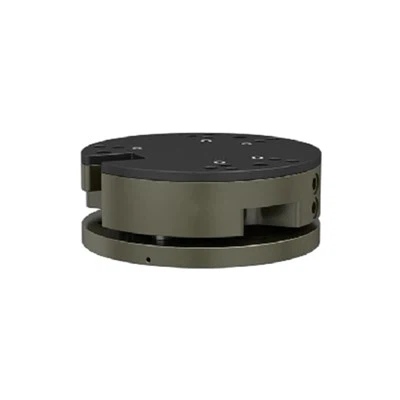
Let’s start with the basics. A rack and pinion is a type of linear actuator that converts rotational motion into linear motion. It consists of a toothed bar (the rack) and a toothed wheel (the pinion). The pinion rotates, and as it does, it moves the rack in a straight line. These systems are used in a wide range of applications, from automotive steering systems to industrial machinery.
Steel
One of the most common materials used to make rack and pinions is steel. Steel is a popular choice because it’s strong, durable, and can handle high loads. There are different types of steel that can be used, depending on the specific requirements of the application.
- Carbon Steel: This is a basic type of steel that contains carbon as the main alloying element. It’s relatively inexpensive and has good strength and hardness. Carbon steel racks and pinions are often used in general-purpose applications where cost is a major factor.
- Alloy Steel: Alloy steel is steel that has been alloyed with other elements, such as chromium, nickel, and molybdenum, to improve its properties. Alloy steel racks and pinions are stronger and more wear-resistant than carbon steel ones. They’re commonly used in high-performance applications, like in racing cars or heavy-duty industrial machinery.
- Stainless Steel: Stainless steel is a type of steel that contains chromium, which gives it excellent corrosion resistance. Stainless steel racks and pinions are ideal for applications where the components will be exposed to moisture or chemicals, such as in food processing or marine environments.
Cast Iron
Cast iron is another material that’s frequently used to make rack and pinions. It’s a hard and brittle material that has good wear resistance and damping properties. Cast iron racks and pinions are often used in applications where noise and vibration need to be minimized, such as in machine tools.
There are different types of cast iron, including gray cast iron, white cast iron, and ductile cast iron. Gray cast iron is the most common type and is known for its good machinability and low cost. White cast iron is harder and more wear-resistant but is also more brittle. Ductile cast iron has better ductility and toughness than gray cast iron, making it suitable for applications where high strength and impact resistance are required.
Aluminum
Aluminum is a lightweight and corrosion-resistant material that’s becoming increasingly popular for making rack and pinions. It’s a good choice for applications where weight is a concern, such as in aerospace or robotics. Aluminum racks and pinions are also relatively easy to machine and can be anodized to improve their surface hardness and corrosion resistance.
However, aluminum is not as strong as steel or cast iron, so it may not be suitable for applications that require high loads or high precision. In these cases, a combination of aluminum and other materials, such as steel, may be used.
Plastic
Plastic is another option for making rack and pinions. There are different types of plastics that can be used, each with its own properties and advantages.
- Nylon: Nylon is a strong and lightweight plastic that has good wear resistance and low friction. Nylon racks and pinions are often used in applications where noise and vibration need to be minimized, such as in consumer products or small machinery.
- Polycarbonate: Polycarbonate is a clear and tough plastic that has good impact resistance and heat resistance. Polycarbonate racks and pinions are suitable for applications where transparency or high temperature resistance is required, such as in medical equipment or lighting fixtures.
- Acetal: Acetal is a strong and rigid plastic that has good dimensional stability and low friction. Acetal racks and pinions are commonly used in applications where precision and smooth operation are important, such as in printers or office equipment.
Choosing the Right Material
When choosing the material for a rack and pinion, there are several factors to consider, including:
- Load Capacity: The material needs to be able to handle the loads that will be applied to the rack and pinion. If the loads are high, a stronger material, such as steel or cast iron, may be required.
- Wear Resistance: The material needs to be able to resist wear and tear, especially if the rack and pinion will be used in a high-speed or high-load application.
- Corrosion Resistance: If the rack and pinion will be exposed to moisture or chemicals, a corrosion-resistant material, such as stainless steel or plastic, may be needed.
- Cost: The cost of the material is also an important factor to consider. Some materials, such as steel, are relatively inexpensive, while others, such as aluminum or plastic, may be more expensive.
As a rack and pinion supplier, I can help you choose the right material for your specific application. I have a wide range of materials available, and I can work with you to find the best solution for your needs.
Conclusion
In conclusion, there are several materials that can be used to make rack and pinions, each with its own properties and advantages. Steel, cast iron, aluminum, and plastic are all common choices, and the right material will depend on the specific requirements of the application.
Rack and Pinion If you’re in the market for a rack and pinion system, I’d love to hear from you. I can provide you with more information about the materials we use and help you choose the right system for your needs. Just reach out to me, and we can start the conversation.
References
- Machinery’s Handbook, 31st Edition
- ASM Handbook, Volume 1: Properties and Selection: Irons, Steels, and High-Performance Alloys
- Plastics Engineering Handbook, 5th Edition
Changzhou Heli Automation Technology Co., Ltd.
As one of the leading rack and pinion manufacturers and suppliers in China, we warmly welcome you to buy high quality rack and pinion made in China here from our factory. For customized service, contact us now.
Address: C7, No.160, Xihu West Road, Wujin District, Changzhou City, Jiangsu Province
E-mail: remy-lee@holymech.com
WebSite: https://www.holymech.com/
