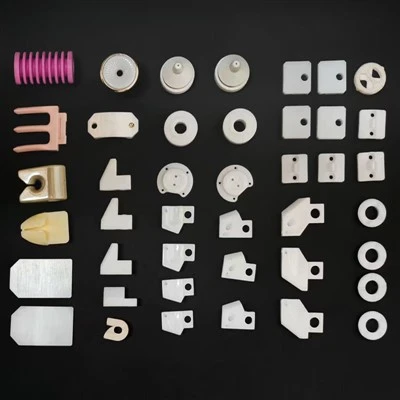
Industry ceramics have emerged as a versatile and indispensable material in the water treatment industry. As a supplier of industry ceramics, I’ve witnessed firsthand how these materials are revolutionizing water treatment processes, offering solutions that are not only effective but also sustainable. In this blog, I’ll explore the various applications of industry ceramics in the water treatment industry, highlighting their unique properties and benefits. Industry Ceramics
Filtration
One of the most significant applications of industry ceramics in water treatment is filtration. Ceramic filters are widely used due to their high porosity, which allows for efficient removal of contaminants while maintaining a high flow rate. These filters can be designed with different pore sizes to target specific types of pollutants, such as bacteria, viruses, and suspended solids.
Ceramic microfiltration membranes, for example, have pores in the range of 0.1 to 10 micrometers. They are highly effective in removing large particles, colloids, and some microorganisms from water. The uniform pore structure of ceramic membranes ensures consistent filtration performance, and their chemical resistance makes them suitable for use in a wide range of water treatment applications, including drinking water purification, wastewater treatment, and industrial process water treatment.
Ultrafiltration is another filtration process where industry ceramics play a crucial role. Ceramic ultrafiltration membranes have even smaller pores, typically in the range of 0.01 to 0.1 micrometers. They can remove smaller particles, such as macromolecules, viruses, and some bacteria, providing a higher level of water purification. Ultrafiltration with ceramic membranes is often used in pre – treatment for reverse osmosis systems, as it can protect the more sensitive reverse osmosis membranes from fouling.
Adsorption
Industry ceramics can also be used as adsorbents in water treatment. Some ceramic materials have a large surface area and a high affinity for certain contaminants, allowing them to effectively remove pollutants from water through adsorption.
Activated alumina, a type of industry ceramic, is commonly used as an adsorbent for the removal of fluoride, arsenic, and other heavy metals from water. It has a porous structure that provides a large surface area for adsorption. The surface of activated alumina can be modified to enhance its adsorption capacity for specific contaminants. For example, by impregnating it with certain chemicals, it can be made more effective in removing specific heavy metals.
Zeolites, another type of industry ceramic, are also used as adsorbents in water treatment. They have a unique crystalline structure with a network of pores and channels. Zeolites can selectively adsorb ions based on their size and charge. They are often used for the removal of ammonium ions, heavy metals, and some organic pollutants from water.
Catalysis
In water treatment, catalysis is an important process for the degradation of organic pollutants. Industry ceramics can serve as catalysts or catalyst supports in various water treatment reactions.
Titanium dioxide (TiO₂) is a well – known ceramic catalyst used in photocatalytic water treatment. When exposed to ultraviolet light, TiO₂ can generate reactive oxygen species, such as hydroxyl radicals, which are highly effective in oxidizing organic pollutants in water. This process, known as photocatalysis, can be used to degrade a wide range of organic compounds, including pesticides, dyes, and pharmaceuticals.
Ceramic materials can also be used as supports for other catalysts. For example, alumina – based ceramics are often used as supports for metal catalysts, such as platinum, palladium, and rhodium. The high surface area and thermal stability of ceramic supports provide a good environment for the dispersion and activation of the catalysts, enhancing their catalytic performance in water treatment reactions.
Membrane Bioreactors (MBRs)
Membrane bioreactors are a combination of biological treatment and membrane filtration processes. Industry ceramics are increasingly being used in MBRs due to their excellent mechanical and chemical properties.
Ceramic membranes in MBRs can withstand high pressures and harsh chemical environments, which is important for maintaining the long – term performance of the system. They also have a low fouling tendency compared to polymeric membranes, reducing the need for frequent membrane cleaning and replacement.
In MBRs, the ceramic membranes are used to separate the treated water from the biomass. The biological treatment process breaks down organic pollutants in the water, and the ceramic membranes then filter out the remaining suspended solids and microorganisms, producing high – quality treated water.
Desalination
Desalination is the process of removing salt and other minerals from seawater or brackish water to make it suitable for drinking or industrial use. Industry ceramics can play a role in desalination processes, particularly in the development of advanced membrane materials.
Ceramic membranes with high salt rejection rates and good chemical stability are being investigated for use in reverse osmosis and nanofiltration desalination systems. These membranes can potentially offer better performance and longer lifespan compared to traditional polymeric membranes, reducing the overall cost of desalination.
Advantages of Using Industry Ceramics in Water Treatment
The use of industry ceramics in water treatment offers several advantages. Firstly, they have high chemical resistance, which allows them to withstand harsh chemical environments, such as acidic or alkaline solutions. This makes them suitable for use in a wide range of water treatment applications, including the treatment of industrial wastewater.
Secondly, industry ceramics have good mechanical strength and thermal stability. They can withstand high pressures and temperatures, which is important for processes such as filtration and membrane bioreactors. Their long – term durability reduces the need for frequent replacement, resulting in lower maintenance costs.
Thirdly, ceramic materials are often more environmentally friendly compared to some other materials used in water treatment. They can be recycled and reused, reducing the environmental impact of water treatment processes.
Contact for Purchase and Collaboration
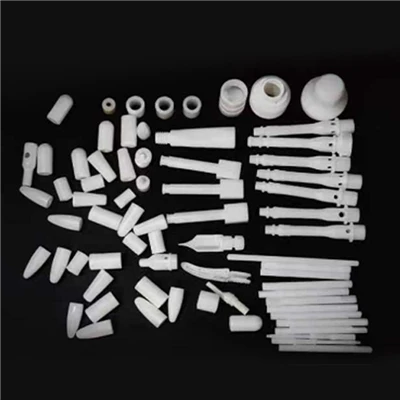
Ceramic Parts If you’re in the water treatment industry and looking for high – quality industry ceramics for your applications, I invite you to reach out to me. As a supplier of industry ceramics, I can provide you with a wide range of products tailored to your specific needs. Whether you need ceramic filters, adsorbents, catalysts, or membranes, I have the expertise and resources to offer you the best solutions. Let’s start a conversation and explore how industry ceramics can enhance your water treatment processes.
References
- Cheryan, M. (1998). Ultrafiltration and Microfiltration Handbook. Technomic Publishing Company.
- Crittenden, J. C., Trussell, R. R., Hand, D. W., Howe, K. J., & Tchobanoglous, G. (2012). Water Treatment: Principles and Design. John Wiley & Sons.
- Wang, C., & Chen, X. (2014). Ceramic Membranes for Water and Wastewater Treatment. Elsevier.
Haining Yifeng Ceramic Technology Co., Ltd.
We are one of the most experienced industry ceramics manufacturers and suppliers in China, also support customized service. Welcome to buy high quality industry ceramics made in China here and get pricelist from our factory. For price consultation, contact us.
Address: No. 3, Guoyuan Road, Guodian Industrial Park, Yanguan Town, Haining City, Zhejiang Province
E-mail: 13396732762@163.com
WebSite: https://www.yifengcer.com/
