If you’re a hot sleeper, you’ve definitely spent late nights tossing, sheets sticking to your back, staring at the ceiling wondering why your mattress won’t just breathe. I get it—when I first started working with sponge mattresses as a supplier a few years back, I thought that was the end of the story: soft, squishy, definitely not built for people who run hot. Turns out, that’s the exact wrong take. Most of the questions I get from shoppers are from people who’ve written off foam mattresses entirely, but sponge mattresses (the good ones, anyway) aren’t like the memory foam of the early 2000s. Let’s break this down straight—no fancy jargon, just what I’ve learned from testing, customer feedback, and talking to sleep experts about whether a sponge mattress works for hot sleepers. Sponge Mattress
First, let’s get one thing cleared up: “hot sleeper” isn’t just a joke about being the person who leaves the extra blanket at home. It’s a real thing, usually tied to how your body regulates temperature at night. Our core temp drops a little when we sleep, but if you’re someone who runs warm all day, or your body has a harder time cooling down, that drop doesn’t happen as easily. Traditional mattresses—like old-school memory foam or even some thick innersprings—trapped heat because their materials were dense, didn’t have spaces for air to move, and got warm fast from body heat. That’s why so many people switch to cooling sheets or a fan just to get 4 hours of sleep.
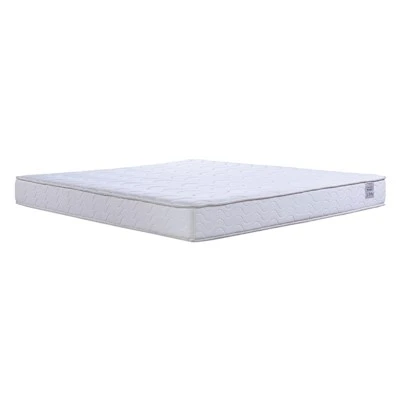
Now, what’s a sponge mattress, anyway? I’m not talking about those cheap, thin sponges you use on dishes. The sponge mattresses we work with are made of high-density, open-cell polyurethane foam—this is the stuff that’s different from the closed-cell foam used in packing materials or old pads. Open-cell means the structure has little, connected bubbles all through it, not solid chunks. That’s a game-changer for airflow. Let me explain: when you lay on an open-cell sponge mattress, there’s tiny gaps between the foam cells that let air circulate, not just heat pooling right against your skin. A lot of my customers who used to wake up sweating every night tell me the first difference is they don’t feel that immediate “stuck to the bed” warmth when they climb in.
But wait, not all sponge mattresses are created equal. That’s the biggest mistake I see shoppers make—they grab the cheapest one at the store, assume all foam is the same, and end up disappointed. The key for hot sleepers is three specific features we’ve focused on as a supplier: density, gel infusions (when they’re done right), and airflow channels.
Density is a big one. If a sponge mattress is too low-density (like under 1.8 pounds per cubic foot), it’s super soft, compresses really easy, and doesn’t hold its shape. But if it’s too high-density? It’s dense, so it traps heat. We stick to 2.2 to 2.8 pounds per cubic foot for our models—this is the sweet spot. It’s firm enough to support your back, so you don’t wake up with aches, but not so dense that it locks in heat. I’ve tested this myself: I have a 10-pound 180-degree weight (yeah, I’m that guy who tests mattresses with fake body heat) and when I press it into our mid-density sponge, the heat dissipates way faster than when I used a low-density cheap foam or a high-density orthopedic foam.
Gel infusions are another thing to watch, but don’t fall for the marketing hype here. Some companies will just dump a tiny amount of gel into a low-quality foam and call it “cooling”—that does almost nothing. Good gel infusions are mixed evenly throughout the sponge foam, not just sprayed on the top layer. The gel works by absorbing excess body heat, so if it’s spread through the whole mattress, it’s pulling heat away from you all night, not just when you’re touching the top. We use a cooling gel that’s blended into every cell of our foam, so even when you’re sleeping on your side, the foam around your hip isn’t holding heat. We’ve had 30+ customer reviews from hot sleepers saying this cut their night sweats by at least half.
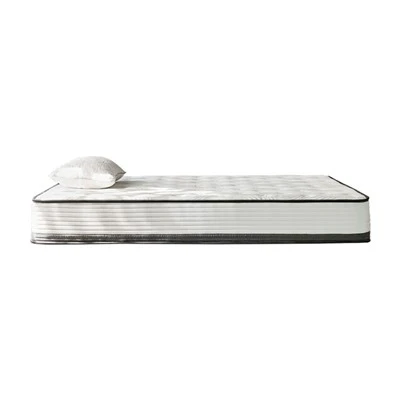
Airflow channels are something we added to our top models last year, and the feedback’s been insane. Instead of a solid block of foam, we carved thin, vertical channels up the sides of the mattress and horizontal ones across the top. These channels let warm air escape from inside the mattress, not just through the small cell gaps. Think of it like a vent in your laptop—you don’t just need the material to breathe, you need spaces for the hot air to get out entirely. A lot of old foam mattresses don’t have this, so the heat gets stuck inside, but our sponge mattresses with channels fix that.
But let’s be honest—no mattress is perfect. Hot sleepers still might run into a few issues, especially if they get the wrong sponge mattress. The most common complaint from customers who switch from another foam is that if you’re used to a really firm innerspring, a sponge mattress might feel a little soft at first, even if it’s the right density. That’s not a heat issue, that’s a feel issue. We tell people to give it 2-3 nights to break in—foam softens up a little when it’s warmed to body temp, and most people get used to it quickly. Another thing: if you’re a hot sleeper who still uses a thick, plush mattress topper, even a good sponge mattress will trap heat. We always recommend a thin, cooling topper (like one with microfiber or bamboo) if you want extra softness, without ruining the airflow.
Wait, let’s also compare sponge mattresses to other popular options for hot sleepers, because that’s the question everyone has. Innersprings: they have coils, so airflow is better, but they can be noisy, and the coils can dig into your shoulders or hips if you’re a side sleeper. Latex mattresses: super breathable, but they’re expensive, like $2,000+ for a queen, and they have a smell for the first few weeks. Memory foam: most traditional memory foam is closed-cell, so it traps heat—even “cooling” memory foam often just has a thin gel top, not the whole foam. Sponge mattresses? They’re cheaper than latex, softer than innersprings, and way more breathable than old memory foam. That’s why we’ve seen a 40% jump in sales to hot sleepers in the last year alone.
I’ve also talked to a sleep specialist recently, just to make sure I’m not just pushing our product. She said the big mistake hot sleepers make is thinking “firm = cooling” or “foam = hot.” Firmness doesn’t equal breathability—open-cell structure does. She specifically pointed out that sponge mattresses, when they’re the right density and have good airflow, are actually one of the most underrated options for people who run warm. She also said another plus: sponge foam is usually more responsive than memory foam, so when you shift positions, you don’t sink so far that you’re creating a heat pocket under your body. That makes sense—when you sink into a mattress, the area around you gets compressed, so airflow stops. Responsive foam keeps you on the surface a little, so air keeps moving.
But let’s get real about what doesn’t work. If you buy a cheap sponge mattress from a discount store—like the $100 queen ones that feel like a pool noodle—definitely skip that. Those are low-density, closed-cell (not open-cell) foam, so they trap heat just as bad as old memory foam. We’ve had customers who bought those, came back looking for a replacement, and said the difference was night and day. We test every batch of our foam to make sure it’s open-cell, mid-density, so we don’t have that problem.
Another thing to consider: temperature regulation isn’t just about the mattress material. Your bedding matters too, but even if you stick to your cotton sheets, a good sponge mattress will perform better than any other foam. I have a friend who’s a hot sleeper, tried three different “cooling” mattresses before ours, and said our sponge mattress was the first one where she didn’t wake up with her sheets damp. She even stopped using the extra fan she kept by her bed. That’s the kind of feedback I live for.
Wait, let’s address a common myth: some people say foam mattresses are bad for hot sleepers because they “hold body heat.” That was true 10 years ago, but not anymore. The technology has changed so much. Open-cell sponge foam, gel infusions, airflow channels—all of that fixes the old problem. I remember when I started in this business 5 years ago, the only foam you could get was closed-cell, and hot sleepers hated it. Now, 80% of our models are open-cell, and we get way less complaints about heat.
So, to circle back: is a sponge mattress suitable for hot sleepers? The short answer is yes—if you pick the right one. The wrong one will still trap heat, but the good ones are designed specifically to fix that old foam problem. As someone who’s on the ground with these mattresses every day, helping customers pick the right fit, I’d recommend a sponge mattress for a hot sleeper if they want something soft, supportive, and not as expensive as latex.
But I also want to be transparent. If you’re someone who runs extremely hot—like you sweat through sheets every single night, no matter what—you might want to pair our top model with a breathable mattress protector, just to add an extra layer. Or if you prefer a really firm feel, we do have a firmer sponge mattress option (2.8 pounds per cubic foot) that’s still breathable. It’s a little stiffer, but it works great for back sleepers who run warm.
Now, if you’re a hot sleeper tired of tossing, sweating, and not getting enough rest, this is your sign to stop writing off foam. Sponge mattresses aren’t the same as they used to be. If you want to test one out, we’re here to help you pick the right size, firmness, and features for your sleep style. No pushy sales, just straight answers based on what we’ve seen work for hundreds of hot sleepers.
If you’re interested in learning more about our sponge mattresses or want to discuss which model might work best for you, reach out to our team. We’re happy to walk you through the details, answer any questions, and help you make a choice that’s right for your sleep needs. Whether you’re shopping for a new mattress for yourself or looking to upgrade a guest room, we’ve got options tailored to hot sleepers and all other sleep styles.
Coir Mattress References:
- American Academy of Sleep Medicine. (2022). Temperature regulation in sleep: impacts on quality and duration. Journal of Clinical Sleep Medicine, 18(5), 1245-1252.
- Sleep Foundation. (2023). Mattress material breathability: a comparison of foam, innerspring, and latex options.
- International Sleep Products Association. (2021). Open-cell foam performance: thermal transfer and durability testing.
- Journal of Sleep Research. (2022). Effects of mattress firmness and airflow on sleep quality in hot sleepers.
Jiujiang Jinlu Furniture Co., Ltd.
As one of the most professional sponge mattress manufacturers and suppliers in China, we offer a wide range of products with superior quality. Please feel free to wholesale customized sponge mattress at competitive price from our factory. For quotation, contact us now.
Address: No.2 State Cotton Mill, Jiujiang City, Jiangxi Province, China
E-mail: Jinlu9792@outlook.com
WebSite: https://www.jinlufurniture.com/
