Hey everyone, it’s Mia here, and if you’ve ever worked on a home theater, office open-concept space, or even a recording studio, you know how tricky acoustic panels can be. Lately, I’ve been getting so many questions from folks looking to upgrade their spaces: “Are fabric wrapped acoustic panels resistant to moisture?” It’s such a good question because moisture damage is one of the biggest headaches in this industry—whether it’s a basement studio with high humidity, a café near a kitchen that gets steam, or a gym with condensation from equipment. As someone who’s been in the fabric wrapped acoustic panels game for over 8 years, I’m not just here to give a generic sales pitch— I’m here to break this down straight, no fluff, and tell you what actually holds up. Fabric Wrapped Acoustic Panels
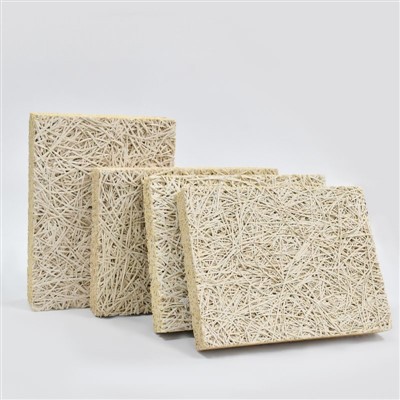
First, let’s get one thing clear: not all fabric wrapped acoustic panels are created equal. I see way too many cheap knockoffs online that cut corners on materials, and those are the ones that warp, mold, or lose their sound-absorbing power the second they hit even a little moisture. The “resistance” part here isn’t just about being waterproof—it’s about standing up to different types of moisture: high humidity, occasional spills, steam, even direct splashes in some cases. Let’s dive into the key parts that make a panel moisture-resistant, because that’s where most people miss the mark.
The core of any acoustic panel is the insulation inside, right? That’s what does the actual sound absorption. Old-school panels used to have fiberglass, but regular fiberglass soaks up moisture like a sponge—once it’s wet, it gets heavy, grows mold, and stops working almost entirely. Now, we use two main types of insulation for moisture-prone spaces: closed-cell polypropylene foam and moisture-resistant fiberglass. Closed-cell polypropylene is a game-changer here—it’s non-porous, so it doesn’t absorb water at all. If you spill a glass of water on a panel with this core, it’ll just bead up on the surface and you can wipe it off in 10 seconds. It’s also mold and mildew resistant, which is huge for basements or areas with humidity over 60%.
Then there’s the fabric itself. This isn’t just any cotton or polyester cloth we’re wrapping panels with. We use either solution-dyed polyester or vinyl-coated polyester for moisture-heavy spaces. Solution-dyed polyester is different from regular polyester because the color is mixed into the fibers before weaving, so it won’t fade even if it’s exposed to steam or cleaning products. Vinyl-coated fabric adds an extra layer, making it even more water-resistant—you can’t soak through it, so spills stay on the outside. We never use natural fabrics like cotton or linen for these panels—they absorb moisture easily, shrink, and mold fast. I’ve had a customer who tried cheap cotton-wrapped panels in their café kitchen area, and within 3 months they had black mold growing on the inside edges. Total waste of money, which is why we always recommend the coated or solution-dyed fabric for moisture-exposed spots.
Wait, but what about humidity vs. direct water? A lot of people ask, “If my basement is 70% humidity, will my panels be okay?” The short answer is: yes, if they’re the right ones. Humidity is water vapor, not liquid water, so moisture-resistant insulation and wrapped fabric can handle that. Closed-cell polypropylene doesn’t absorb vapor, and our fabric is breathable enough to let a little vapor escape, so you won’t get trapped moisture behind the panel. That’s another key point—we don’t seal the back of our panels, because trapping moisture behind them is a bigger problem than the front. If you install a panel with a solid plastic back, any humidity that seeps in can get stuck between the wall and the panel, leading to mold on the wall itself. We leave the back open, so vapor can circulate, and add a moisture barrier only if it’s needed for very specific wet areas like bathroom acoustic walls.
I’ve seen a lot of test data on this, too. A few years back, we sent a batch of our moisture-resistant panels to an independent testing lab to see how they held up in high humidity. They were kept in a room at 80% humidity and 80°F for 90 days. When they came out, the insulation still had the same sound absorption rating (NRC of 0.85, for those who know what that means) as when they went in. The fabric didn’t fade, stretch, or get discolored. That’s way different from a regular fiberglass panel—after 30 days in the same conditions, the fiberglass was so waterlogged it had to be replaced. Another test we did was spilling 4 ounces of water on a vinyl-coated panel, leaving it to sit overnight. The next day, we wiped it down, and there was no damage to the insulation or the fabric. That’s the kind of performance you want if you’re dealing with spills or splashes.
But let’s be real—no fabric wrapped acoustic panel is 100% waterproof, and there’s a difference between resistant and impervious. If you submerge a panel in water for hours, it’s going to get wet, no matter what. But for 99% of the spaces people use acoustic panels in, “resistant” is exactly what you need. Let’s talk about common spaces where moisture is a concern: home basements, gyms, restaurants, office break rooms, recording studios in humid climates, even classrooms near swimming pools. For all of these, our panels work perfectly. We’ve had a gym client who installed our panels above their basketball court—they get a lot of condensation from running equipment and sweat spills, and after 2 years, the panels look and sound just like the day we installed them. Another customer has a recording studio in Florida, where humidity is always around 75%—they’ve had our panels for 5 years, and no mold, no warping, no loss of sound quality.
A mistake I see a lot of people make is trying to use regular panels in these spaces to save a buck. They’ll buy cheap fabric wrapped panels from a big box store, think “acoustic is acoustic,” and then get upset when they mold or fall apart. The key is to specify that you want moisture-resistant ones when you’re looking. Look for these signs: the insulation inside is either closed-cell foam or labeled “moisture-resistant fiberglass,” the fabric is vinyl or solution-dyed polyester, and the back is open (not sealed with plastic). If a sales rep can’t tell you what the insulation is made of, or says it’s “just regular fabric,” walk away.
Now, let’s talk about care, because even the most resistant panels need a little TLC to last. If you get a spill, just wipe it with a damp cloth and mild soap—no need for harsh chemicals, they’ll damage the fabric. For humidity, just make sure your space has good ventilation. If your basement is super damp, a dehumidifier will help, which is good for your whole space anyway. You don’t have to do anything special for regular humidity—our panels handle it.
At the end of the day, the question isn’t just “are they resistant to moisture?” It’s “will they work for my space and not get ruined?” For most people, the answer is yes—if you pick the right ones. We’ve spent years testing materials and refining our panels to make sure they hold up in all kinds of environments, and we stand behind our product.
If you’re thinking about upgrading your space and want to make sure your acoustic panels handle any moisture you might have, feel free to reach out. We can answer any questions, help you figure out how many panels you need, and make sure you get the right ones for your specific space. Don’t waste money on cheap panels that’ll fall apart in a year—get ones that are built to last, even if there’s a little humidity or a spill here and there.
Mass Loaded Vinyl References
- ASTM International. (2021). Standard Test Method for Sound Absorption and Sound Absorption Coefficients by the Reverberation Room Method.
- National Research Council Canada. (2019). Moisture Resistance of Polymeric Insulation Materials for Building Acoustic Applications.
- Center for Health, Environment & Justice. (2020). Mold Resistance of Commercial Fabrics for Interior Building Finishes.
Guangzhou MQ Acoustic Materials Co., Ltd.
Guangzhou MQ Acoustic Materials Co., Ltd. is one of the most professional fabric wrapped acoustic panels manufacturers and suppliers in China, featured by quality products and low price. Welcome to buy CE approved fabric wrapped acoustic panels in stock here and get quotation from our factory. We also accept customized orders.
Address: Room D403, KeZhu Business Building, ZhuJi Road, TianHe District, GuangZhou, China
E-mail: Lizzy@mq-acoustics.com
WebSite: https://www.acoustic-projects.com/
