As a custom distribution box supplier, I talk to potential buyers every week who’re stressed about finding a vendor they can trust. I get it: distribution boxes aren’t one-size-fits-all. You might need something shock-resistant for delicate electronics, waterproof for outdoor utility, or sized perfectly to fit your team’s existing racks. Cut corners on the supplier, and you end up with delays, boxes that don’t work, or hidden costs that blow your budget. Over the 12 years I’ve been in this business, I’ve seen every pitfall, and I’ve figured out exactly what to look for to skip them. Let’s break this down step by step, so you can choose a supplier that’s reliable, not just the cheapest one that pops up in a Google search. Custom Distribution Box
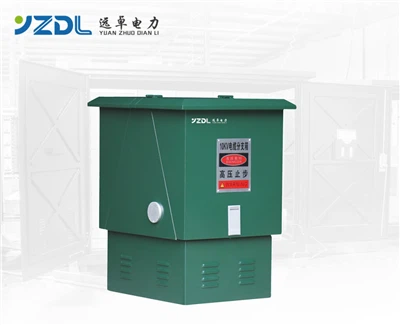
First, stop and ask: do they specialize in custom distribution boxes, or do they outsource your order to someone else? I see this all the time. A supplier might list “custom enclosures” on their website, but they actually don’t have their own in-house engineering or production team. When you place your order, they send it to a third-party factory, then mark up the price by 30% or more and promise you a 2-week lead time. Half the time, that third party cuts corners on materials or skips quality checks to hit their own deadlines, and your supplier can’t do anything to fix it because they’re not the ones managing production.
I recommend asking a simple question right off the bat: “Do you handle design, prototyping, and final production in-house?” If they say no, or dance around the answer, cross them off your list. For example, last year a client reached out to me after working with a “custom” supplier that out their boxes to a factory in China with no heat-resistant coating. Their boxes melted mid-installation in a server room. We fixed it, but that client lost three days of downtime costing them over $10,000. That’s the risk of going with a middleman who doesn’t control the process.
Next, test their engineering and prototyping skills. A custom distribution box isn’t just a metal case with some holes. It has to fit your specific equipment, meet industry codes (like IP ratings for waterproofing or NEMA standards for industrial use), and work with your mounting and wiring needs. A reliable supplier won’t just give you a quote for a generic box. They’ll sit down with your engineering team, ask questions about what your boxes need to do, and create a prototype before you commit to a full order.
Last month, a small electronics startup came to us with a prototype of their own: a box for their new sensor devices that kept short-circuiting. They’d worked with another supplier that said they could make it, but the supplier never reviewed the startup’s wiring diagram, so the holes for cables were in the wrong place and the internal panels were too thin to hold the sensors. We didn’t just fix the design right away. We ran stress tests: dropped the prototype from 6 feet (simulating warehouse handling), sprayed it with a hose (testing IP65 waterproofing), and heated it to 140°F (testing for extreme heat). We gave them a full report of the test results, so they could be sure the final boxes would work for their installation in agricultural fields. Any supplier that won’t provide a prototype, or charges you extra for prototyping, isn’t worth your time. A good supplier sees prototyping as a chance to prove they understand your needs, not a hassle.
Then, check their quality control (QC) process. This is non-negotiable for distribution boxes, because a defective box can cause huge problems. Think about it: a faulty distribution box in a commercial building can lead to power outages for hundreds of people. One that fails on a construction site can slow down a whole project. A reliable supplier will have clear, documented QC steps, not just a guy glancing at boxes on an assembly line.
Ask: “What’s your quality control process for custom orders?” A good answer will sound like this: first, a line inspector checks every raw material (the aluminum, plastic, or steel you chose) to make sure it meets your specs. Then, after cutting and forming, they check the dimensions against your 2D or 3D design files to ensure every hole and bend is exact. After assembly, 100% of boxes go through a final function test: we plug them into a power supply (or simulate your equipment’s load) to test for voltage leaks, tight connections, and proper fit of internal components. We also keep a sample of every order for two years, so if you have a question later, we can pull it up and reference it.
I’ve had clients come to me after ordering from a supplier that only did a 10% sample check. They got a shipment of 50 boxes, 12 of which had loose wiring that caused fires during installation. That’s the kind of mistake that can cost you way more than a lower per-unit price. A supplier that stands behind their QC will offer a warranty, too. We offer a 5-year warranty on all our distribution boxes, which means if anything goes wrong under normal use, we fix or replace it at no extra cost. If a supplier won’t give you a written warranty, that’s a red flag.
Now, lead time and communication. Time is money, especially when you’re waiting on custom parts for a project. A supplier that promises a 1-week lead time for a custom distribution box is lying. Custom design, prototyping, and production takes time. A reliable supplier will be honest about lead times, and will communicate clearly if there’s a delay, not leave you waiting for updates.
Last year, a client needed 200 distribution boxes for a conference setup in 3 weeks. Our standard lead time is 4 weeks, but we reprioritized their order, worked with our engineering team to speed up prototyping, and delivered in 18 days. But when a delay happens, transparency is key. If a factory has a material shortage, a good supplier will call you within 24 hours, explain what’s going on, give you a new timeline, and offer a discount to make up for the wait. A bad supplier will ghost your emails, leave you in the dark, and miss your deadline without any explanation.
Also, check their communication style. If they take 3 days to reply to your first email, that’s a sign of how they’ll treat you once you’re a client. We assign every new client a dedicated account manager, so you always have one person to call, not a generic support line. That account manager knows your order details, can answer questions fast, and will loop you in on every step: prototype approval, production updates, shipping tracking. If a supplier makes you repeat your order details to 5 different people, that’s not a good sign.
Then, look at their reputation and client references. Reviews on Google or Yelp are a start, but you can dig deeper. A reliable supplier will have case studies on their website with real client names (no generic “a major tech company” stuff), or they’ll give you direct references you can call.
When I talk to potential clients, I always offer three references: one small business, one mid-sized company, and one large corporation, so they can see how we work with different sizes of orders. One reference we have is a national construction company that orders 500+ distribution boxes a month for job sites. They told me that other suppliers would overcharge for rush orders, but we always worked with them to adjust lead times without hiking prices. Another reference is a local tech startup, the same one I mentioned earlier, that now orders 10 boxes a month from us for new product lines. If a supplier can’t give you at least two or three recent references, that’s a problem. You can also check industry forums, like LinkedIn groups for electrical contractors or data center managers, to see if anyone has complaints about a supplier. If 10 people say a supplier delays orders or sends defective parts, cross them off.
Wait, what about cost? Let’s be real: price matters. But the cheapest quote almost always ends up being the most expensive. A supplier that undercuts everyone else is cutting corners somewhere. They might use thinner metal that bends easily, skip waterproof coatings, or outsource to unregulated factories that don’t do any QC. For example, if I quote a distribution box for $45 each, and another supplier quotes $30 each, that $15 difference will likely show up in a box that breaks after 6 months, or has to be replaced after a year. That’s a $30 cost per box, plus the labor to install and replace it, which adds up fast.
A reliable supplier will give you a transparent quote, with a breakdown of costs: materials, design work, production, QC, shipping, and warranty. They won’t hide fees. We always itemize our quotes, so you know exactly what you’re paying for. If a quote is vague, with no breakdown, that’s a red flag.
Also, ask if they offer value-add services. A good supplier will help you optimize your design to save money, without sacrificing quality. For example, maybe your initial design uses a thicker steel than you need, or a more complex cut than necessary. We’ll point that out, so you can adjust the design and lower your cost, instead of just sending you a quote for the design you wanted. That’s what makes a partner, not just a vendor.
Finally, ask about their sustainability practices. More and more businesses are prioritizing eco-friendly suppliers, and that’s a good thing. A reliable supplier will use recyclable materials, have processes to reduce waste, and won’t cut corners on safety to meet deadlines. For example, we source our aluminum from recycled suppliers, and we recycle all offcuts from production instead of throwing them away. If a supplier doesn’t mention sustainability, that’s a sign they might be taking shortcuts to keep prices low, including using materials that are not durable or safe.
Let me wrap this up with a quick checklist you can use when talking to suppliers:
- Do they handle design, prototyping, and production in-house?
- Can they share a detailed QC process and test results for your order?
- Will they provide a prototype before full production, with no hidden fees?
- Do they offer a clear warranty and transparent lead times?
- Can they give you recent client references you can verify?
- Does their quote have itemized costs, no hidden fees?
- Do they communicate quickly and assign you a dedicated point of contact?
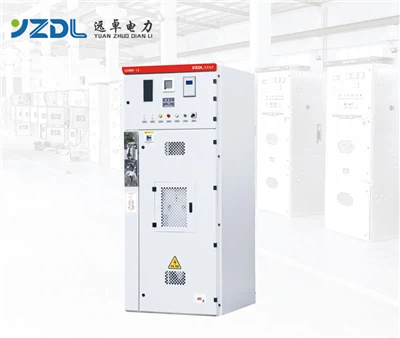
At the end of the day, choosing a custom distribution box supplier is about finding a partner that understands your needs, not just a company that can make a box. I’ve spent years building my business on that principle, and that’s why my clients come back year after year. If you’re ready to stop stressing about unreliable suppliers and start working with someone who will deliver boxes that fit your project, feel free to reach out to discuss your custom distribution box needs. Let’s build something that works for you, no cuts, no delays, no surprises.
Plc Cabinet References:
- Electrical Construction & Maintenance. (2022). Guide to Selecting Custom Enclosure Suppliers. Retrieved from industry standards for industrial electronic components
- National Electrical Manufacturers Association (NEMA). (2021). Standards for NEMA-rated distribution enclosures. Retrieved from NEMA engineering guidelines for enclosure design and testing
- International Electrotechnical Commission (IEC). (2020). IEC 60529 Standard for Degree of Protection Provided by Enclosures. Retrieved from IEC waterproofing and environmental testing protocols
- Small Business Administration. (2023). Vendor Selection Best Practices for Custom Manufacturing. Retrieved from SBA’s guide to evaluating manufacturing suppliers
Yuanzhuo Electrical Equipment (Jiangsu) Co., Ltd.
Address: Group 8, Chengdong Village, Fucheng Sub-district Office, Funing County
E-mail: markcheng1358@126.com
WebSite: https://www.yzdlchina.com/
