Hey everyone, Pneumatic Control Valve

If you’re here, odds are you’ve dealt with that high-pitched, annoying screech coming from a pneumatic control valve that sounds like a tiny jet engine taking off every time it opens. Trust me, as someone who’s spent years working with pneumatic control valves—you know, the kind that keep industrial processes running smooth—this noise isn’t just annoying. It’s a big problem. I’ve had plant managers yell at me over it, technicians complain about hearing issues, and even had production lines slow down because the noise made people miss important alarms. So today, let’s cut through the jargon and talk about how we actually reduce that noise, the science behind it, and what we’ve learned from thousands of valves we’ve supplied over the years.
First, let’s get one thing straight: pneumatic control valve noise isn’t random. It’s caused by a few key things, mostly related to how air (or whatever process fluid you’re moving) flows through the valve. When the pressure drops across the valve too quickly, you get something called chugging noise—low, rumbling vibrations that feel like they’re shaking the whole pipe. Then there’s aerodynamic noise, which is that high-pitched screech. That happens when the fluid velocity hits what’s called “critical velocity,” usually around the speed of sound. Think of it like when you blow over the top of a bottle: the faster the air, the louder the noise. And if that fluid’s liquid instead of gas? You can get cavitation noise, a sharp, popping sound from bubbles forming and collapsing in the liquid. So all the fixes we’re gonna talk about target these root causes, not just the noise itself.
Let’s start with the most common fix we recommend, and it’s actually super effective: installing an expansion muffler, sometimes called a silencer, right on the valve outlet. Wait, not just any muffler—pneumatic control valve specific ones. Regular mufflers for engines won’t cut it here. The science behind these is pretty simple: they give the high-speed fluid a place to expand gradually instead of being forced through a tiny opening all at once. When fluid goes through a control valve’s trim (that’s the internal part that regulates flow, like the plug and seat), it compresses, and when it hits the outlet, it expands suddenly—boom, noise. An expansion muffler has chambers that slow the expansion, break the fluid into smaller streams, and absorb some of the sound energy. We used to just suggest the basic style, but over time, we’ve found that multi-stage mufflers work way better for high-pressure applications. Like, if you’re working with 100 PSI across the valve, a two-stage muffler can cut noise by 15-20 decibels, which is the difference between standing next to a lawnmower and a garbage disposal. I remember one food processing plant we supplied a bunch of these to; they were running at 80 PSI, and before the mufflers, workers had to wear ear protection that limited communication. After? No more ear muffs, and they said the plant was way less stressful. That’s the stuff that matters.
Next up, upgrading the valve trim. This is a big one because the trim is where most of the noise is generated. Standard trims are usually single-port or double-port, which have a simple plug that moves up and down to open the valve. Those can cause super high fluid velocities. So instead, we recommend low-noise trims, like cage-style trims with multiple small holes instead of one big opening. Why? Because splitting the high-speed fluid into lots of smaller streams lowers the overall velocity. Each stream has less energy, so when they exit the valve, there’s less turbulence and less noise. We also do attenuator trims, which have grooves or slots that break the flow into even smaller parts, and anti-cavitation trims if you’re dealing with liquid. I had a customer in the chemical industry a couple years back; their old valves were so loud that OSHA came in and gave them a fine for exceeding noise limits. We swapped their standard trims for low-noise cage trims, and the noise dropped by 25 decibels—right under the OSHA limit. They saved themselves thousands in fines and didn’t have to shut down production to fix it, which was a win-win. Pro tip here: make sure the trim size matches your valve. A too-small trim will just make velocity worse, and a too-big one won’t regulate flow right. We always check the process specs before suggesting a trim, so we don’t waste time or money on the wrong one.
Another thing people overlook: piping layout. Even if your valve is quiet, if the piping around it is wrong, you’ll still get noise and vibrations. Let’s say you have the valve outlet pipe turning 90 degrees right after the valve. That sudden turn makes the high-speed fluid slam into the pipe wall, creating extra noise and vibrations. Our go-to fix here is to add a straight run of pipe at least 10 times the pipe diameter long after the valve outlet. That lets the fluid slow down and stabilize before it hits any bends or fittings. Also, avoid attaching rigid pipes directly to the valve; use flexible connectors for short distances. The rigid pipes transfer the valve’s vibrations through the whole pipe system, making noise worse across the plant. We had a customer in a power plant that was dealing with pipe vibrations shaking their control room. They tried all kinds of valve fixes, but the problem was their piping—they had the valve right next to a bend with no straight run. After they re-routed the piping to add a straight section, the noise was gone. That’s a reminder that it’s not just the valve itself; the whole system matters.
Wait, what about if you’re dealing with pneumatic air systems specifically, not liquid or gas process fluids? Sometimes the noise comes from the air supply line, not the control valve. In that case, we often suggest adding a pressure regulator upstream of the control valve. If the air pressure to the valve is too high, the valve has to work harder, creating more noise. Reducing the upstream pressure to the valve’s recommended operating level (usually around 60-80 PSI for most industrial valves) can cut noise a lot. I’ve seen that cut noise by 10-12 decibels in some light-duty applications. It’s a cheap fix too—pressure regulators are way cheaper than mufflers or new trims, so it’s always the first thing we check for pneumatic air systems.
Of course, there are times when even all these fixes don’t work, and that’s when you might need a different type of control valve. Wait, no—don’t just jump to a whole new valve. We’ve had customers try that when they could have just modified the existing one. But if you’re working with extremely high pressure, like 150 PSI or more across the valve, a globe valve with low-noise trim is way better than a ball valve, for example. Ball valves can cause really high velocity when they’re partially open, which is where most of their noise comes from. Globe valves have a more regulated flow path, so the noise is lower. But again, we don’t just tell people to switch valves—we analyze their process data first. We look at flow rates, pressure differentials, fluid type, everything, before suggesting anything drastic.
Now, let’s talk about something that’s super important but often ignored: regular maintenance. A lot of noise issues start because the valve is worn out. If the trim is corroded or the plug is damaged, that can create uneven flow, leading to more turbulence and noise. We tell customers to do annual checks of their valve trim, inspect for corrosion, and make sure the valve stem is moving smoothly. A couple years back, a customer had a valve that was getting louder every month. We came out to check it and found the trim was corroded from a corrosive process fluid. They didn’t want to replace the whole valve, so we swapped the trim for a corrosion-resistant alloy one, and the noise went back down. That maintenance check would have caught it before the noise got bad, too.
Wait, let’s bust a common myth here: some people think if they just insulate the pipe, the noise goes away. Nope, that might muffle the sound you hear standing next to it, but it doesn’t fix the actual noise source. The vibrations are still there, and that can cause pipe damage over time. Insulation is a temporary fix, not a solution. We never recommend it as the main fix—only as an extra step if you’re dealing with residual noise after installing a muffler.
So let’s recap the main steps we swear by for reducing pneumatic control valve noise, based on all the valves we’ve supplied: first, check your upstream pressure to make sure it’s at the valve’s recommended level. If it’s too high, add a regulator. Next, make sure your piping has a straight run after the valve and no sharp bends right next to it. Then, install a quality expansion muffler on the valve outlet—multi-stage is best for high pressure. If that’s not enough, upgrade the internal trim to a low-noise, multi-hole style. Don’t forget regular maintenance to catch worn trims or corrosion early.
Now, if you’re reading this and dealing with that annoying valve noise that’s driving you crazy, let’s be real—trying to figure this out on your own can be a pain. You don’t have to waste time testing random fixes that might not work. We’ve been doing this for years, we’ve seen every noise problem out there, and we can help you pick the right fix for your specific setup. Whether you need a new muffler, a trim upgrade, a piping tweak, or even just a quick check of your existing valve specs, we’re here to help you sort it out. Just reach out to connect with our team to talk through your needs—we’re happy to work with you to find a solution that cuts that noise and keeps your processes running smoothly.
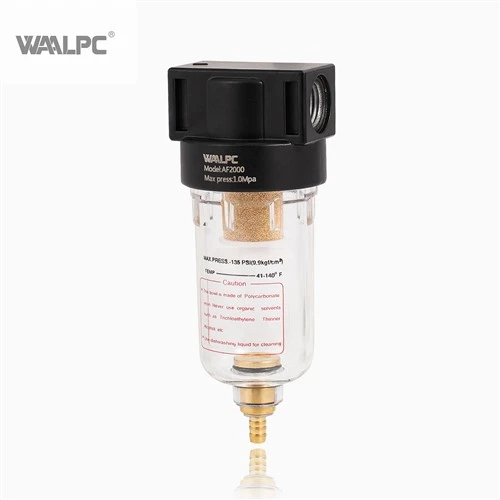
At the end of the day, noise from pneumatic control valves isn’t just an annoyance; it’s a sign your system isn’t working as well as it could. Whether it’s OSHA fines, employee discomfort, or pipe damage, those problems add up. That’s why we focus on practical, science-backed fixes that actually work, not just the latest trendy product. We’ve learned over the years that the best solutions are the ones that fit your specific process, not a one-size-fits-all approach. So if you’re ready to get rid of that valve noise for good, don’t hesitate to connect with our team to start a conversation about your project.
Filter Regulator References
- International Society of Automation (ISA), Control Valve Noise Reduction Guidelines, 2021.
- Instrumentation, Systems, and Automation Society (ISA), Standard S75.02: Control Valve Aerodynamic Noise Prediction, 2019.
- Fluid Controls Institute (FCI), Noise Mitigation for Pneumatic Control Valves, 2020.
- OSHA, Occupational Noise Exposure Standards, 2022.
- Control Valve Handbook, 5th Edition, Emerson Process Management, 2016.
Hangzhou Evershine Pneumatic Import & Export Co., Ltd.
Address: Hengkun Smart Industrial Park, No.176, Golf Road, Yinhu Street, Fuyang District, Hangzhou City, Zhejiang Province, China 311400
E-mail: Felix@waalpc.com
WebSite: https://www.evspneu.com/
