As a provider of Longitudinally Submerged Arc Welded (LSAW) steel pipes, I understand the critical role that the outer coating plays in ensuring the longevity and performance of these pipes. The right coating can protect the pipes from corrosion, abrasion, and other environmental factors, extending their service life and reducing maintenance costs. In this blog, I will discuss the various outer coating options available for LSAW steel pipes, their advantages, and applications. LSAW Steel Pipe
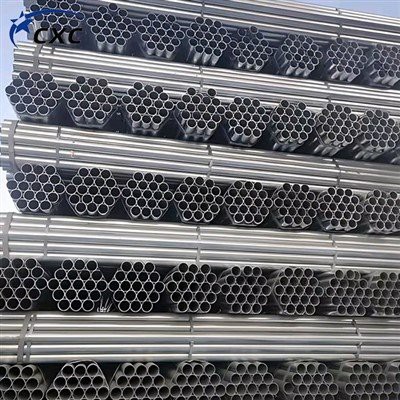
Fusion-Bonded Epoxy (FBE) Coating
Fusion-Bonded Epoxy (FBE) coating is one of the most popular choices for protecting LSAW steel pipes. It is a thermosetting polymer powder that is electrostatically applied to the pre-heated pipe surface and then fused into a continuous film. The FBE coating provides excellent corrosion resistance, adhesion, and mechanical properties.
Advantages
- Corrosion Resistance: FBE coating forms a dense and impermeable barrier that protects the steel pipe from corrosion caused by moisture, chemicals, and soil contaminants. It has high resistance to both internal and external corrosion, making it suitable for a wide range of applications, including oil and gas pipelines, water transmission, and sewage systems.
- Adhesion: The FBE coating has excellent adhesion to the steel surface, ensuring a long-lasting bond. This prevents the coating from peeling or flaking off, even under harsh environmental conditions.
- Mechanical Properties: FBE coating has good mechanical properties, such as hardness, abrasion resistance, and impact resistance. It can withstand the rigors of handling, transportation, and installation without damage.
- Environmental Friendliness: FBE coating is a solvent-free coating, which means it does not contain any volatile organic compounds (VOCs). This makes it an environmentally friendly option that meets the strict environmental regulations.
Applications
- Oil and Gas Pipelines: FBE coating is widely used in the oil and gas industry to protect pipelines from corrosion. It can be applied to both onshore and offshore pipelines, including transmission pipelines, gathering pipelines, and storage tanks.
- Water Transmission: FBE coating is also used in water transmission pipelines to prevent corrosion and ensure the quality of the transported water. It is suitable for both potable water and wastewater applications.
- Sewage Systems: FBE coating can be used in sewage systems to protect the pipes from corrosion caused by the acidic and corrosive nature of sewage. It helps to extend the service life of the pipes and reduce maintenance costs.
Three-Layer Polyethylene (3LPE) Coating
Three-Layer Polyethylene (3LPE) coating is another popular option for protecting LSAW steel pipes. It consists of a fusion-bonded epoxy (FBE) primer, an adhesive layer, and a polyethylene topcoat. The 3LPE coating provides excellent corrosion resistance, mechanical properties, and weatherability.
Advantages
- Corrosion Resistance: The 3LPE coating provides superior corrosion resistance compared to other coating systems. The FBE primer provides excellent adhesion to the steel surface and protects it from corrosion, while the polyethylene topcoat provides a physical barrier that prevents moisture and oxygen from reaching the steel surface.
- Mechanical Properties: The 3LPE coating has good mechanical properties, such as hardness, abrasion resistance, and impact resistance. It can withstand the rigors of handling, transportation, and installation without damage.
- Weatherability: The polyethylene topcoat provides excellent weatherability, protecting the pipe from UV radiation, sunlight, and extreme temperatures. It also has good resistance to chemicals and soil contaminants.
- Long Service Life: The 3LPE coating has a long service life, typically ranging from 20 to 50 years. This reduces the need for frequent maintenance and replacement of the pipes, resulting in significant cost savings over the life of the pipeline.
Applications
- Oil and Gas Pipelines: 3LPE coating is widely used in the oil and gas industry to protect pipelines from corrosion. It can be applied to both onshore and offshore pipelines, including transmission pipelines, gathering pipelines, and storage tanks.
- Water Transmission: 3LPE coating is also used in water transmission pipelines to prevent corrosion and ensure the quality of the transported water. It is suitable for both potable water and wastewater applications.
- Marine Applications: 3LPE coating is suitable for marine applications, such as offshore platforms, jetties, and submarine pipelines. It provides excellent corrosion resistance and protection against the harsh marine environment.
Cement Mortar Lining
Cement mortar lining is a traditional method of protecting the interior surface of LSAW steel pipes. It consists of a layer of cement mortar that is applied to the inner surface of the pipe using a centrifugal casting process. The cement mortar lining provides excellent corrosion resistance, abrasion resistance, and hydraulic smoothness.
Advantages
- Corrosion Resistance: Cement mortar lining provides excellent corrosion resistance, especially in aggressive environments such as sewage and wastewater. It forms a protective layer that prevents the steel pipe from coming into contact with the corrosive substances in the fluid.
- Abrasion Resistance: Cement mortar lining has good abrasion resistance, protecting the inner surface of the pipe from wear and tear caused by the flow of the fluid. This extends the service life of the pipe and reduces the need for frequent maintenance.
- Hydraulic Smoothness: Cement mortar lining provides a smooth inner surface, which reduces the friction between the fluid and the pipe wall. This improves the hydraulic efficiency of the pipeline and reduces the energy consumption required to pump the fluid.
- Cost-Effectiveness: Cement mortar lining is a cost-effective option for protecting the interior surface of LSAW steel pipes. It is relatively easy to apply and has a long service life, resulting in significant cost savings over the life of the pipeline.
Applications
- Water Transmission: Cement mortar lining is widely used in water transmission pipelines to prevent corrosion and ensure the quality of the transported water. It is suitable for both potable water and wastewater applications.
- Sewage Systems: Cement mortar lining is also used in sewage systems to protect the pipes from corrosion caused by the acidic and corrosive nature of sewage. It helps to extend the service life of the pipes and reduce maintenance costs.
- Industrial Applications: Cement mortar lining can be used in industrial applications, such as chemical processing plants and power generation facilities, to protect the pipes from corrosion and abrasion.
Coal Tar Enamel Coating

Coal tar enamel coating is a traditional method of protecting the exterior surface of LSAW steel pipes. It consists of a layer of coal tar enamel that is applied to the pipe surface using a brushing or spraying method. The coal tar enamel coating provides excellent corrosion resistance, water resistance, and chemical resistance.
Advantages
- Corrosion Resistance: Coal tar enamel coating provides excellent corrosion resistance, especially in underground and underwater applications. It forms a protective layer that prevents the steel pipe from coming into contact with the corrosive substances in the soil or water.
- Water Resistance: Coal tar enamel coating has good water resistance, protecting the pipe from moisture and water penetration. This prevents the formation of rust and corrosion on the pipe surface.
- Chemical Resistance: Coal tar enamel coating has good chemical resistance, protecting the pipe from the effects of chemicals and solvents. It is suitable for use in chemical processing plants and other industrial applications.
- Long Service Life: Coal tar enamel coating has a long service life, typically ranging from 20 to 50 years. This reduces the need for frequent maintenance and replacement of the pipes, resulting in significant cost savings over the life of the pipeline.
Applications
- Underground Pipelines: Coal tar enamel coating is widely used in underground pipelines to protect them from corrosion. It can be applied to both onshore and offshore pipelines, including transmission pipelines, gathering pipelines, and storage tanks.
- Water Transmission: Coal tar enamel coating is also used in water transmission pipelines to prevent corrosion and ensure the quality of the transported water. It is suitable for both potable water and wastewater applications.
- Marine Applications: Coal tar enamel coating is suitable for marine applications, such as offshore platforms, jetties, and submarine pipelines. It provides excellent corrosion resistance and protection against the harsh marine environment.
Conclusion
Black Steel Pipe Choosing the right outer coating for LSAW steel pipes is crucial for ensuring their longevity and performance. Each coating option has its own advantages and applications, and the choice depends on various factors such as the operating environment, the type of fluid being transported, and the budget. As a LSAW steel pipe provider, I can help you select the most suitable coating for your specific requirements. If you have any questions or need further information, please feel free to contact me for a detailed discussion and potential procurement.
References
- NACE International. (2019). Coating Selection and Application for Oil and Gas Pipelines.
- ASTM International. (2018). Standard Practice for Applying Fusion-Bonded Epoxy Coating to Steel Pipe.
- ISO. (2017). Petroleum and natural gas industries – External coatings for buried or submerged pipelines used in pipeline transportation systems – Polyethylene coatings (3-layer PE).
Wuxi Chengxingchuang Metal Products Co., Ltd.
Address: No. 8-2, Zhoujia Lane, Liangxi District, Wuxi City, Jiangsu Province, China
E-mail: 13961862735@163.com
WebSite: https://www.cxcsteeltube.com/
