If you’ve ever tossed a handful of dried mushrooms into a risotto for depth, you know how they can elevate a simple grain dish from boring to memorable. As a dried morel mushroom supplier, I get asked this question constantly: “Can dried morel mushrooms actually work in rice dishes, or are they too finicky, too earthy, or just not worth the effort?” The short answer? They not only work—they transform rice into something complex, umami-rich, and far more interesting than plain steamed rice. But to get there right, you need to know how to handle dried morels (spoiler: it’s not just dumping them into your rice uncooked) and why they pair so perfectly with the neutral, starchy base of rice. Dried Morel Mushroom
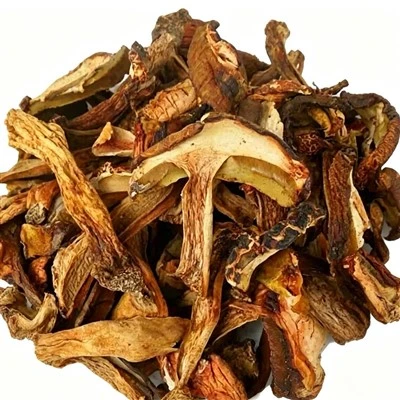
Let’s start with the basics of dried morels themselves. Fresh morels are prized by chefs for their nutty, subtly smoky flavor and honeycomb texture, but they’re extremely perishable—they only last a few days in the fridge, and growing them commercially is tricky, which makes them expensive. That’s where dried morels come in. We dehydrate them at a low temperature (around 140°F, which is gentle enough to preserve their flavor, not cook it off) and package them to lock in that concentrated essence. Rehydrating dried morels brings them back to a plump, tender state, but the flavor? It’s actually more intense than fresh—dehydration concentrates their amino acids, especially glutamate, which is the key compound behind umami. That umami is exactly what rice dishes need: plain white rice has a mild, almost sweet starchiness, and it often gets overpowered by bold spices or lost under rich sauces. Dried morels add a deep, savory layer that cuts through that starch without overwhelming it.
Now, can you just add dried morels straight to your rice? I’ve seen home cooks try that, and I’ll be honest—it doesn’t end well. The dried caps have that honeycomb structure that traps dirt, tiny bugs, and grit, and if you skip pre-soaking, that grit will end up in your dish. Also, dried morels are hard; adding them to uncooked rice means they won’t soften fully by the time the rice is done, leaving you with a chewy, unappetizing piece of mushroom in every bite. But once you rehydrate them properly, they’re the perfect addition—here’s how we recommend doing it for rice dishes. The best method is to rehydrate in warm (not boiling) water for 20 to 30 minutes. Boiling can make the mushrooms rubbery, and cold water takes too long, so warm is the sweet spot. When you take them out, don’t pour that soaking water down the drain—strain it through a coffee filter or cheesecloth to catch any leftover sediment, and add that liquid to your rice pot. It’s liquid gold: it has all the concentrated flavor from the morels, and it infuses every grain of rice with that deep, earthy taste, not just the mushrooms themselves.
Let’s talk about specific rice dishes, because dried morels shine in different ways depending on what you’re making. For risotto, which is a creamy, Italian-style rice dish, dried morels are a game-changer. Traditional risotto uses broth, but swapping some or all of that broth with the strained morel soaking water adds a layer of umami that store-bought broth can’t match. You chop the rehydrated morels into small pieces and sauté them with shallots and garlic before adding the rice, so their flavor starts to meld with the toasted rice (that toasty step is key for risotto—morels pair perfectly with the nuttiness from toasting). I’ve had customers make this, and they tell me their risotto goes from good to restaurant-worthy; people ask what the secret ingredient is, and it’s just dried morels. Then there’s pilaf, which is a fluffy, grain-forward rice dish common in Middle Eastern and Mediterranean cooking. For pilaf, you sauté whole or halved rehydrated morels with the rice before adding liquid, so each grain gets coated in a tiny piece of mushroom. The honeycomb texture of morels holds up well here, adding a slight chew that contrasts with the light, fluffy rice.
Even plain steamed rice isn’t off-limits for dried morels, if you want to keep it simple. If you’re making a weeknight side, rehydrate a few morels, chop them into tiny bits, and toss them in with your rice before it steams. The morels will release their flavor as the rice cooks, and you get tiny pockets of savory mushroom in every bite. It’s not as complex as a risotto, but it’s a great way to add depth to a basic dish without a lot of extra work. Of course, pairing matters too. Dried morels go well with ingredients that complement their nutty, smoky flavor. If you’re making a rice dish, pair them with a soft cheese like mascarpone or Parmigiano-Reggiano for risotto, or add a handful of toasted pine nuts for pilaf. For a lighter option, pair morels with lemon zest—brightness cuts through the earthiness of the mushrooms and makes the rice feel fresh, not heavy. I also love pairing dried morels with brown rice; the nuttiness of brown rice matches the morels’ flavor, so it’s a perfect match for a healthy, savory meal.
Wait, there’s a common misconception about dried morels: some people think they’re too strong, that they’ll make a rice dish taste “mushroomy” in a bad way. But that’s only if you use too many, or if you don’t rehydrate them right. For a standard pot of rice (4 servings), you only need 1 to 2 ounces of dried morels—about 1/2 cup when rehydrated. That’s enough to add flavor without overpowering the rice. Also, if you’re using dried morels for the first time, start small: try a quarter ounce in a simple pilaf and work your way up. You’ll notice that their flavor is milder than, say, portobello mushrooms, with a subtle smokiness that fits right into rice dishes, not against them.
As a supplier, I’ve also seen how dried morels hold up in frozen rice dishes, which is a big plus for busy home cooks. If you make a big batch of morel risotto or pilaf and freeze it, the mushrooms stay tender and flavorful when reheated—far better than fresh mushrooms would, which get mushy when frozen. That makes dried morels a practical addition for meal prep, too. It’s not just for fancy dinners; it works for weeknight meals and leftovers.
Let’s get into the science of why morels pair so well with rice, because it’s not just a culinary trick. Rice is a starch, and starches are great at absorbing flavors. The porous structure of morels (that honeycomb cap) acts like a flavor sponge: when you rehydrate them, they soak up the water, and that water is infused with their flavor, which then transfers to the rice as it cooks. Also, glutamate, the umami compound in morels, pairs with inosinate, a compound in rice—when these two are combined, they create a synergistic effect that amplifies umami. It’s why dishes like mushrooms and rice are so satisfying; your taste buds pick up on that layered savory flavor, not just separate notes of mushroom and grain. That’s the science behind why it works, not just a random pairing.
I’ve also had customers ask if dried morels can be used in rice dishes alongside other ingredients, like sausage or vegetables. Absolutely! For a rice and sausage skillet, sauté the morels with the sausage and onions before adding the rice, so all the flavors meld together. The morels absorb the fat from the sausage, making them even richer, and they balance out the saltiness of the meat. For vegetarian rice dishes, morels add the umami that’s often missing from plant-based meals, so you don’t need extra salt or broth. It’s a versatile ingredient that works with all kinds of rice dishes, not just one style.
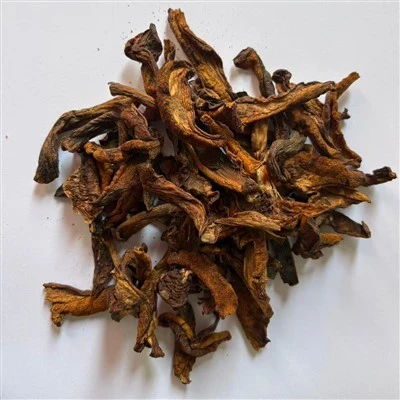
Now, let’s talk about quality, because not all dried morels are the same. As a supplier, I only source dried morels that are sun-dried or low-temperature dehydrated, not treated with preservatives or sulfites. Sulfites can make mushrooms taste bitter, and they can cause allergic reactions, so it’s important to look for dried morels that are 100% morels, no additives. The good stuff will be light tan to dark brown, with that distinct honeycomb cap, and it will smell nutty, not musty. If you’ve tried dried morels before and didn’t like them, it might have been a low-quality product—great dried morels make a huge difference in a rice dish.
Let’s address a common mistake people make when using dried morels in rice: not straining the soaking water. When you rehydrate morels, even if you rinse them, there’s usually a little grit left at the bottom of the bowl. If you don’t strain that water, the grit will end up in your rice, which is a bad texture. But if you use a fine-mesh sieve or coffee filter, that sediment stays behind, and you get all the flavor without the grit. It’s a simple step, but it makes all the difference. I always tell customers to set aside the soaking water first, before they do anything else, so they don’t accidentally pour the grit into their rice pot.
Another tip: if you’re making a long-grain rice dish, like basmati or jasmine, dried morels work just as well as they do with short-grain rice. For basmati, which is fragrant and has a long, slender grain, rehydrated morels add a earthy contrast that pairs beautifully with the rice’s natural aroma. For jasmine, which has a sweet, floral note, morels add a savory layer that balances out that sweetness. It’s not just for Italian rice dishes—dried morels fit into all kinds of rice cuisines, from Indian biryani to Spanish paella. I’ve had customers add morels to paella, and they tell me it’s their new go-to for special occasions. They’re hearty enough to stand up to the saffron and chorizo, but their subtle flavor doesn’t overpower the other ingredients.
Let’s wrap this up. The answer to “Can dried morel mushrooms be added to rice dishes?” is a resounding yes—with the right prep, they’re one of the best ingredients you can use to elevate your rice. They add concentrated umami, a unique texture, and a depth of flavor that fresh mushrooms can’t match, especially when you’re using their soaking water to infuse every grain. Whether you’re making risotto, pilaf, plain steamed rice, or paella, dried morels work, and they’re versatile enough for weeknight meals and special dinners alike. If you haven’t tried them yet, start small—pick up a small bag of dried morels, follow the rehydration steps, and toss them into your next rice dish. You’ll be surprised how much of a difference they make.
If you’re looking for high-quality dried morel mushrooms for your next rice dish, or want to source them for your restaurant or food business, we’d love to connect. We work with chefs and home cooks alike, and we’re happy to answer any questions you have about how to use our morels in any recipe, including rice dishes. Don’t hesitate to reach out to arrange a time to discuss your needs and taste our product.
Dried Asian Mushrooms References
- Wong, M. et al. (2019). Umami compounds in mushrooms: A review of composition and flavor synergies. Journal of Culinary Science & Technology, 17(2), 123-141.
- O’Donnell, K. et al. (2018). Dehydration effects on flavor compounds in edible morel mushrooms. Food Chemistry, 245, 895-902.
- USDA FoodData Central. (2022). Nutrient profile of dried morel mushrooms and rice grains. U.S. Department of Agriculture, Agricultural Research Service.
- García-Alonso, J. et al. (2020). Flavor pairing in grain-mushroom dishes: Sensory analysis of morel and rice combinations. Journal of Sensory Studies, 35(4), e12356.
Qingyuan Manchu Autonomous County Lichang Native Produce Co., Ltd.
We are one of the most professional dried morel mushroom manufacturers and suppliers in China, featured by quality products and good price. Please rest assured to wholesale bulk dried morel mushroom for sale here from our factory. Welcome to view our website for more information.
Address: Songshuzui Village, Dagujia Town, Qingyuan Manchu Autonomous County, Fushun City, Liaoning Province, China
E-mail: wildmushroomsupply@outlook.com
WebSite: https://www.wildmushroomsupply.com/
