Hey folks, if you’re running or managing an aerated concrete block production line, you’ve probably noticed the workshop’s anti-static setup isn’t just a “nice-to-have” — it’s make-or-break for keeping your line up and your products on spec. Let me break down exactly what we see as a production line supplier when we walk into a workshop, and what non-negotiables we flag right away. Aerated Concrete Block Production Line
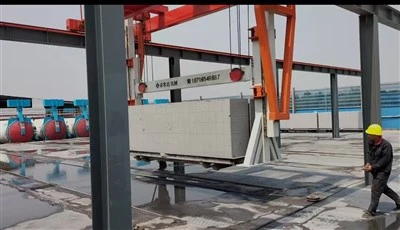
First, let’s ground this: aerated concrete blocks (that’s the light, porous stuff used in construction, right?) have a few quirks that make static way more of a problem than in other manufacturing shops. We’re talking raw materials like cement, lime, aluminum powder, which are all fine, dry powders. When you move them via conveyors, screw feeders, or even just pour them into mixing tanks, friction generates static — and that static doesn’t just zap workers (which is bad for safety) — it can ignite aluminum powder dust, mess up the block’s cell structure (so your product has uneven density, which kills its structural rating), even trip electrical controls on your line. From our side, as someone who sells and installs these lines, we’ve walked into shops where a missing anti-static component cost a line 3 days of downtime because a dust explosion risk forced a full shutdown, or where inconsistent static made 20% of their blocks unfit for sale. No one wants that.
Let’s start with the basics: static’s root causes in this specific workshop. Your raw materials are dry, low-conductivity, and fine — perfect for building up a static charge. Equipment like belt conveyors, rotary valves, and even storage silos can hold 10,000 volts or more if you don’t address it. Then there’s the workers: if they’re moving between stations in rubber-soled shoes (the default for many shops), they build up 1,000+ volts walking across a concrete floor. That’s enough to make a worker jump back, but if they touch a control panel with that charge, they can fry a $500 PLC input, which stops the entire line.
Now, what are the actual requirements, not just the vague “reduce static” stuff we hear from cheap equipment brands? Let’s split this into four core areas: facility infrastructure, equipment-specific anti-static parts, worker PPE, and compliance checks.
First up: workshop flooring and grounding infrastructure. This is non-negotiable, not a retrofit afterthought. We always tell clients when we quote a production line that the floor has to be conductive, not just anti-static. Wait, what’s the difference? Anti-static flooring slows charge buildup, but conductive flooring lets it bleed to the ground consistently. For aerated concrete shops, you need floor surface resistance between 10^4 and 10^6 ohms — that’s the sweet spot. If it’s lower than 10^4, you risk short circuits on electrical equipment; higher than 10^6, static just sits there. We’ve seen shops try to patch regular concrete with anti-static paint, but after 6 months of heavy forklift traffic, the paint chips off and leaves high-resistance spots. Our advice: if you’re building a new shop, pour a concrete subfloor with a layer of conductive rebar mesh, then top it with a epoxy conductive coating rated for industrial use. Also, every single stationary piece of equipment — mixers, conveyors, silos, even the control cabinet stands — has to be bonded to a common grounding bus, not just a random wall outlet. A lot of shops use separate grounds for each machine, but if one ground has a bad connection, the whole line’s static goes haywire. We add ground fault indicators to every production line we install, so if a ground bond breaks, the operator gets an alert before static causes issues.
Next, equipment-specific anti-static components — this is where a lot of cheap line suppliers cut corners. Let’s go through the main parts of an aerated concrete block line:
-
Raw material handling systems: The screw conveyors that move dry aluminum powder, lime, and cement need static-dissipating components. We don’t use regular steel screws; we use stainless steel with a conductive coating that prevents charge buildup on the internal surfaces. Also, we add static neutralizers at the discharge points of the conveyors — these are small, low-maintenance bars that ionize the air to discharge static from the powder before it enters the mixing tank. A few suppliers we’ve worked with skip these, and their operators complain about inconsistent block quality within the first 3 months of operation.
-
Mixing and casting stations: When you mix the slurry (cement, lime, aluminum powder, water) and pour it into molds, friction between the slurry and metal molds creates static. The molds themselves need to be bonded to the ground, but we also add a small conductive strip along the mold edges to bleed charge. Another thing: the mold vibrators (which you need to compact the slurry) — if their mountings are non-conductive rubber, that creates a charge gap. We use conductive vibration pads so the vibrators stay grounded, no static buildup.
-
Cutting and curing areas: After the slurry cures into a block, you cut it into the standard sizes. The cutting machines use wire blades that move at high speed — friction between the wire and the block can build up static that messes with the block’s surface integrity. We outfit cutting lines with static eliminator nozzles that blow ionized air directly at the cut point, and we bond the entire cutting table to the workshop’s main ground bus. Also, the curing rooms (autoclaves, where the blocks are steamed at high pressure) — even inside the autoclave, static can be a problem if the autoclave walls aren’t grounded. We’ve had clients skip this and end up with blocks that have tiny, uneven pockets because static messed with the aluminum powder expansion during curing.
Third, worker PPE and station protocols — this is often overlooked because it’s “people stuff,” not equipment stuff. First, shoe requirements: no regular rubber-soled shoes. Workers need conductive shoes with a resistance rating of 10^5 to 10^8 ohms, paired with conductive ankle straps if they’re working near sensitive controls. Also, all workstations (like the control room for the production line) need grounding mats, so when workers sit down to operate the line, their charge is discharged before they touch the keyboard or PLC. We also train clients on a simple rule: no one touches the raw material containers or mold lids until they’ve touched a ground point at their station. We saw a shop a few months back where a worker didn’t do that, and when he grabbed a mold lid, the 8,000 volts he built up blew a sensor that stopped the line for 12 hours — that’s 12 hours of lost production, easy.
Fourth, regular testing and maintenance — anti-static systems don’t “set it and forget it.” We tell every client we work with to do a weekly check of ground connections, a monthly test of floor resistance, and a quarterly test of static neutralizers. For example, a floor that was good at 10^5 ohms when you first poured it can creep up to 10^8 ohms after a year of dust buildup and forklift tire rubber coating — that’s when static starts to come back. We offer free 6-month follow-up checks for all the production lines we install, because we know how easy it is to let these systems slip.
Wait, let’s also address a common myth: some shops think “since the blocks are porous, static can’t ignite dust.” No way — aluminum powder is super fine, even porous blocks can have dust that’s released when you handle them. A lot of the newer aerated concrete line specs from the construction industry now require anti-static measures, so if you skip this, your blocks might not meet local building code requirements, which means you can’t sell them to big contractors. That’s a big one — we’ve had clients who didn’t prioritize anti-static and got denied a major project because their blocks had inconsistent density from static issues.
Now, as a supplier, let’s be real. A lot of overseas line suppliers cut corners on anti-static parts to lower their quote. They’ll use regular steel conveyors, no static neutralizers, regular paint on the floor, and then charge you extra for “anti-static upgrades” after installation. But with us, when we quote an aerated concrete block production line, the anti-static components are baked in — we don’t nickel-and-dime you on this. We design the line specifically for the static quirks of aerated concrete, not a generic line that works for brick or other blocks.
So, if you’re in the market for a new aerated concrete block production line, or you’re retrofitting your existing workshop’s anti-static setup, the key points to remember are: conductive flooring (not just anti-static paint), equipment grounded to a common bus (not separate grounds), static neutralizers at every transfer point, proper worker PPE, and regular testing. Skipping any of these will lead to downtime, bad product, or safety risks — none of which you can afford when your whole business rides on your production line.
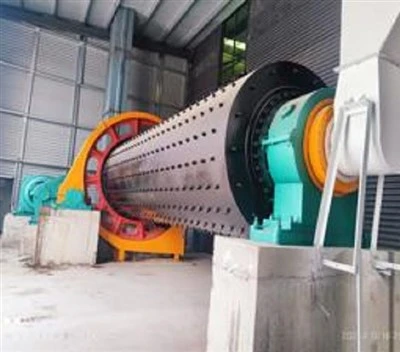
If you’re looking to upgrade your anti-static setup or get a quote for a production line that’s built with these requirements front and center, hit us up to connect and talk through your specific workshop needs. We don’t do one-size-fits-all — every shop is different, so we’ll work with you to make sure your anti-static setup keeps your line running smooth, your product on spec, and your team safe.
AAC Turning Cutting System References
- Occupational Safety and Health Administration (OSHA). 2021. Electrical Safety-Related Work Practices: Static Electricity in Manufacturing.
- American Concrete Institute (ACI). 2019. Guide for Manufacturing Autoclaved Aerated Concrete (AAC) Products.
- National Fire Protection Association (NFPA). 2020. Standard on Dust Hazards in Manufacturing.
Qingzhou Shuangfengda Machinery Engineering Co., Ltd.
As one of the most professional aerated concrete block production line manufacturers and suppliers in China, we’re featured by quality products and good price. Please rest assured to buy durable aerated concrete block production line for sale here from our factory. Customized orders are welcome.
Address: Gaojiazhuang Village, Gaoliu Town, Qingzhou City, Shandong Province
E-mail: lenhond@163.com
WebSite: https://www.sfdmachinery.com/
