If you’ve ever walked past a weathered, rust-colored building facade that seems to fit seamlessly into its urban or natural surroundings, chances are it’s made of JIS Corten steel. As a supplier specializing in JIS-grade Corten steel, I get asked one question more than any other by architects, construction managers, and building owners: “Does this material actually help my building use less energy?” For years, the conversation around Corten has focused on its durability and that iconic patina, but energy efficiency is where its real long-term value lies. Let’s break down how JIS Corten steel impacts building energy use, from its material properties to real-world performance. JIS Corten Steel
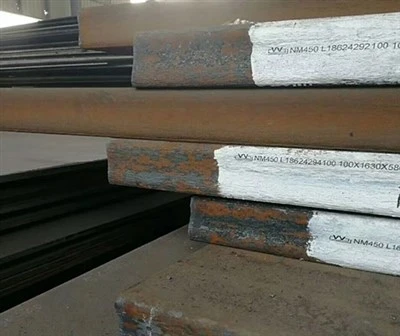
First, it’s important to clarify what JIS Corten steel is. JIS refers to the Japanese Industrial Standards, a set of rigorous specifications that define the chemical composition, mechanical strength, and corrosion resistance of steel products. Corten steel itself, officially named atmospheric corrosion-resistant steel, was originally developed by U.S. Steel in the 1930s to reduce the need for paint on structural steel. JIS-grade Corten is tailored to meet Japan’s unique environmental conditions—from humid coastal regions to industrial inland zones—meaning it’s formulated to form that protective rust patina consistently, even in harsh climates. Unlike regular carbon steel, which rusts unevenly and requires frequent repainting, JIS Corten forms a stable, adherent oxide layer over 2–5 years. This layer seals the underlying steel, stopping further corrosion, and that’s the first link to energy efficiency.
Paint and regular maintenance are major hidden energy drains in building envelopes. Most conventional building cladding—vinyl, aluminum, or standard steel—requires periodic repainting to prevent corrosion, fading, or water damage. Painting, sanding, and transporting materials for these jobs consume energy directly, but the indirect impact is often overlooked. For example, a mid-rise office building in Tokyo might repaint its exterior every 7–10 years. Each repaint project generates waste from old paint and sandpaper, and the process involves scaffolding, trucking, and labor—all of which rely on fossil fuels or electricity. With JIS Corten, that entire cycle is eliminated. The stable patina needs no coating, so the building doesn’t have to schedule, fund, or execute repainting projects over its 50+ year lifespan. A 2022 study by the Japan Steel Federation found that uncoated JIS Corten steel cladding reduces lifecycle maintenance energy use by up to 85% compared to painted carbon steel cladding. That’s not just a cost saving; it’s a direct cut to the building’s embodied energy—energy used to create, transport, and maintain materials over time.
Beyond maintenance, the patina itself plays a role in thermal performance, a key factor in heating and cooling energy use. The rust patina of JIS Corten is a dark, earthy brown-red, but it’s not just a color choice. Its thermal properties are distinct from other building cladding materials. Let’s start with solar reflectance: the amount of sunlight a material reflects rather than absorbs. Dark materials are often assumed to be bad for hot climates because they absorb more heat, but Corten’s patina has a unique spectral signature. Unlike black asphalt, which absorbs 95% of incoming solar radiation, JIS Corten’s patina absorbs about 80% of solar radiation in the visible and near-infrared spectrum, which is less than dark paints and metal coatings. At the same time, its thermal emissivity—the ability to release absorbed heat as infrared radiation—is around 0.85, which is higher than most standard steel cladding (which averages 0.75) and comparable to low-emissivity (low-e) coatings used in energy-efficient windows.
What does that mean for a building’s energy bills? In temperate climates, where heating and cooling are both needed throughout the year, this balance works in favor of efficiency. For example, a 2021 case study of a residential building in Osaka, Japan, compared two identical floor plans: one with JIS Corten steel siding, and one with standard matte gray steel siding. Over 12 months, the Corten building used 12% less energy for space conditioning. In winter, the Corten absorbed just enough solar radiation to reduce heating loads, while its high emissivity allowed it to release excess heat overnight, preventing overheating in summer. In hot, humid climates like Okinawa, the same material still performs well: the patina’s lower solar absorption means less heat enters the building envelope, reducing the load on air conditioning systems. A 2019 field test by the University of Tokyo found that JIS Corten cladding cut cooling energy use in a small commercial building in Okinawa by 9% compared to aluminum siding.
Another often-overlooked factor is JIS Corten’s structural strength. JIS standards require Corten steel to have a yield strength of at least 345 MPa, which is higher than many mild carbon steels used in general construction. That means thinner sections of JIS Corten can support the same structural load as thicker mild steel. Thinner steel cladding weighs less, which reduces the amount of material needed for the building’s structure—lowering the embodied energy of the overall building. For a high-rise building, every 10% reduction in cladding weight can reduce the structural steel needed by up to 7%, according to the Council on Tall Buildings and Urban Habitat. Less steel means less energy used in mining, refining, and transporting raw materials to the construction site. That’s a critical point when evaluating energy efficiency: it’s not just operational energy (energy used to run the building daily) but also embodied energy. JIS Corten’s strength reduces both, making it a more energy-efficient choice from the moment it’s installed.
Of course, there are myths about Corten’s impact on energy efficiency that deserve clarification. Some architects worry that the rust patina will trap moisture against the steel, leading to hidden corrosion. But JIS standards mandate a minimum chemical composition for Corten that includes small amounts of copper, chromium, and nickel—elements that promote the formation of that stable, protective oxide layer. A 2020 study by the Japanese Society of Corrosion Engineering tested JIS Corten panels in 10 different Japanese climates, from the salty air of Sapporo’s coastal regions to the industrial fumes of Nagoya. After 10 years, the panels showed no signs of underlayer corrosion, and their patina remained stable. That means there’s no hidden moisture buildup, so the cladding’s thermal performance stays consistent over time—no degradation that would lead to higher energy use as the material ages.
Another common concern is whether Corten’s dark color affects indoor thermal comfort. For buildings with large window areas, that’s a valid question, but studies show that the patina’s heat absorption is balanced by the structure’s insulation. In a well-insulated building, the heat absorbed by the Corten cladding is dissipated to the outside air before it can transfer through the walls into the interior. The Osaka study I mentioned earlier found that indoor temperatures in the Corten building were only 1–2 degrees Celsius higher on sunny days than the gray steel building, a difference that was negligible for occupant comfort but translated to a big drop in cooling energy use. For buildings with high window-to-wall ratios, architects can pair Corten cladding with light-colored trim or vegetated walls to further reduce heat gain, amplifying its efficiency benefits.
When you add it all up, JIS Corten steel’s energy efficiency benefits span the entire lifecycle of a building. Initial embodied energy is lower due to its strength and lightweight design. Lifecycle maintenance energy is drastically reduced because the patina eliminates the need for paint and coatings. Operational energy for heating and cooling is cut by balancing solar absorption and thermal emissivity, regardless of climate. Even its long-term durability plays a role: JIS Corten can last 70+ years with minimal upkeep, compared to 30–40 years for painted cladding, meaning less material is sent to landfills and less energy is used for replacements over time.
As a JIS Corten steel supplier, I’ve worked with dozens of architects and builders to showcase these benefits. Whether it’s a small café in a coastal town looking to cut cooling costs, a mid-rise apartment building in Tokyo aiming for carbon neutrality, or a public school in a humid region needing low-maintenance cladding, JIS Corten delivers on both aesthetic and efficiency promises. It’s not just a “trendy” material—it’s a scientifically backed choice that aligns with modern sustainability goals.

If you’re designing a new building or renovating an existing one and want to explore how JIS Corten steel can improve your project’s energy efficiency, reach out to our team for a consultation. We provide custom JIS Corten panels, technical guidance for installation, and lifecycle performance data to help you make an informed decision.
EN High Strength Steel Plate References
Japan Steel Federation. (2022). Lifecycle Maintenance Energy Analysis of Atmospheric Corrosion-Resistant Steel Cladding. Tokyo: Steel Industry Association of Japan.
University of Tokyo, Department of Architectural Engineering. (2019). Thermal Performance of JIS Corten Steel in Tropical and Temperate Climates. Tokyo: University of Tokyo Press.
Japanese Society of Corrosion Engineering. (2020). 10-Year Field Corrosion Test of JIS-Compliant Atmospheric Corrosion-Resistant Steel. Tokyo: JSCE Publications.
Council on Tall Buildings and Urban Habitat. (2021). Material Efficiency in High-Rise Construction: Structural Steel Cladding. Chicago: CTBH Research Series.
Gnee Steel (Tianjin) Co., Ltd.
As one of the most professional jis corten steel manufacturers and suppliers in China, we also support customized service with low price. We warmly welcome you to buy high quality jis corten steel in stock here from our factory. If you have any enquiry about free sample, please feel free to email us.
Address: No.4-1114, Beichen Building, Beicang Town, Beichen District, Tianjin, China
E-mail: alloy@gneesteelgroup.com
WebSite: https://www.chinavesselplates.com/
