If you’ve ever worked in bulk material handling—whether in mining, agriculture, warehousing, or construction—you know how much of a hassle a misaligned sidewall conveyor belt can be. Sidewall belts are game-changers for moving steep, bulky materials without spillage, but that added height and angle comes with a big problem: they’re way more prone to tracking issues than flat belts. For someone like me, who’s spent the last 12 years selling and troubleshooting sidewall conveyor belts, tracking system questions are like, 70% of the support emails I get. So let’s break this down simple—no jargon, no corporate fluff, just what you actually need to know about what these tracking systems are, why they matter, and how to pick the right one for your setup. Sidewall Conveyor Belt
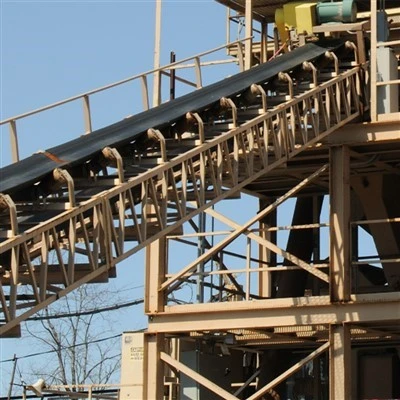
First, let’s get clear on what a sidewall conveyor belt even is, for anyone new to this. Unlike flat belts that lay flat and move materials along a gentle slope, sidewall belts have rubber sidewalls (they’re called “wall strips”) attached to the edges of the base belt, plus cleats in between the walls. That lets you tilt the belt up to 90 degrees—like a vertical conveyor—to move things like gravel, grain, wood chips, even food pellets without stuff rolling or falling off. But all those extra parts? The sidewalls, the cleats, the thicker base material? They make the belt heavier on the edges, or uneven, so it drifts left or right as it moves. That’s bad. If it drifts too far, the sidewalls scrape against the conveyor frame, rip, or even tear the whole belt. Spillage happens, downtime skyrockets, and you’re out thousands of dollars in replacement parts. That’s where the tracking system comes in.
A sidewall conveyor belt tracking system is basically a set of tools that keeps the belt centered on the conveyor rollers, so it moves straight, no drifting. It’s not one single part—it’s a combination of sensors, adjustable rollers, and sometimes guide components that work together to correct minor misalignments before they turn into big problems. Wait, but why can’t you just use the same tracking system you use for flat belts? Great question. I’ve had customers try that, and it never works. Flat belt tracking relies on simple things like a crowned roller (rounded in the middle, so the belt pulls back to center) or a snub roller that pushes the edges. But sidewall belts have that extra height—sidewalls can be 10cm to 100cm tall, depending on what you’re moving—so the weight distribution is totally different. Crowned rollers don’t give enough correction power, and flat belt guides often catch on the sidewalls instead of just guiding the belt. So sidewall-specific systems are non-negotiable.
Let’s walk through the main types of tracking systems we sell, because that’s what most buyers care about. I’ll stick to the ones that actually work—no gimmicks. First, the adjustable idler roller system. This is the most common, and for good reason. It uses regular conveyor rollers, but you can swivel the end rollers (the ones at the head and tail pulleys) a few degrees. If the belt drifts left, you swivel the left end of the tail roller forward, which pulls the right edge of the belt tight, so it slides back to center. If it drifts right, do the opposite. Now, for sidewall belts, we use “ training idlers” specifically made for them—these have a slightly tapered edge instead of a flat one, so they don’t catch the sidewalls. I’ve seen customers use standard training idlers and end up with torn walls, so that’s a critical detail. The downside here? It’s manual. You have to check the belt every few days, adjust the rollers, which is a little work, but it’s cheap and easy to maintain. Perfect for small operations or setups where misalignment isn’t super severe.
Next up, the self-adjusting tracking system. This is way more popular with large mines or farms that run their conveyors 24/7. These systems use self-aligning idlers—they have a pivot in the middle, so if the belt drifts, the rollers automatically swivel to correct it. Wait, how? Let’s say the belt edge rides over the top of a roller, that triggers a little arm on the idler, which twists the roller so it pulls the belt back. For sidewall belts, these self-aligning idlers have a wider, rounded face so the sidewalls don’t get caught. I installed one on a grain conveyor for a customer in Iowa last year, and they haven’t had to touch it in 8 months. No more weekly checks, no more stopping to fix a torn sidewall. The downside is it’s a bit more expensive upfront, but the labor savings add up fast. Also, they don’t work great if your belt is really heavy or if you’re moving super jagged materials, because the extra weight can throw the alignment off.
Then there’s the sensor-based automated tracking system. This is the fancy one we sell for big industrial setups, like port facilities moving coal or steel. It uses optical sensors mounted on the conveyor frame, right next to the belt edges. The sensors constantly scan where the belt is—if it drifts more than 1 or 2cm, they send a signal to hydraulic or electric actuators that adjust the head pulley or idlers in real time. No manual checks, no manual swiveling. I worked with a port in Louisiana that had 10 sidewall conveyors before they switched to these, and their downtime for alignment dropped from 12 hours a month to 45 minutes total. The only catch here? They need regular calibration—like every 6 months—and they’re way more expensive to install and maintain. Also, if there’s a lot of dust or spillage around the sensors, they can get dirty and stop working. We add dust covers to every sensor we sell for these setups, which helps, but it’s still something to plan for.
Wait, I should mention a couple of common add-ons that make sidewall tracking way easier, because customers always ask about these. One is guide strips—soft rubber strips mounted along the conveyor frame, just outside the belt edges. They’re not rigid, so if the belt drifts a little, the strip pushes it back gently, no scraping. We use these on all our belt installations now, even with the self-adjusting systems, because they catch minor drift before it gets bad. Another is a belt misting system? No, wait, no— for sidewalls, a cleaner brush on the return side of the belt. If there’s material stuck to the back of the belt, it can make one side heavier, which makes it drift. A little brush that wipes the belt as it comes back solves that. I had a customer in Canada who was dealing with constant drift until we added that—turned out, sawdust was sticking to one side of the belt, throwing the weight off. Simple fix.
Now, let’s get to the part that matters most for you: how to pick the right tracking system for your sidewall conveyor belt. It’s not just “the fanciest one is best.” Let’s break it down by use case. If you’re a small farmer moving grain or a warehouse moving small packages—so your conveyor runs 8-12 hours a day, not 24, and misalignment is only occasional—stick with the adjustable idler system. It’s cheap, easy to adjust, and you don’t need fancy tech. If you’re a mid-sized operation, like a gravel yard running 16 hours a day, go with the self-adjusting idlers. They’re worth the extra cost because the labor savings will pay for itself in 6-12 months. If you’re a big industrial site, 24/7 operation with heavy, jagged materials, then the automated sensor system is the way to go. Just budget for calibration and maintenance.
Wait, let’s talk about a mistake I see all the time, especially with sidewall belts. People buy a tracking system that works for flat belts and try to force it on sidewalls. I’ve had a customer last year who ordered a flat belt tracking kit, installed it, and within a week, half his sidewalls were torn. Why? Flat belt guides are meant to touch the base belt, not the sidewalls. Sidewalls are softer and more flexible, so if a rigid guide touches them, it snags and tears. That’s why every tracking system we sell for sidewall belts is specifically designed for sidewall thickness and height—we test each kit to make sure it doesn’t catch the walls. That’s not a detail you want to cut corners on.
Another thing: tracking systems aren’t just for fixing drift—they extend the life of your sidewall conveyor belt by a lot. A misaligned belt can wear out the sidewalls in 6 months instead of 2 years. I’ve had customers tell us that after they installed a proper tracking system, their belt life doubled. That’s a huge cost saver. Also, less spillage means less cleanup time, less waste of materials, and safer work conditions—no one wants to be scooping spilled gravel off the floor all day.
Let me wrap this up with a little real talk from my side, as a sidewall conveyor belt supplier. I know when you’re looking for a tracking system, it’s easy to get overwhelmed by all the options. You might be thinking, “Do I need to spend $10k on an automated system, or will a $500 adjustable idler work?” The short answer: it depends on your setup, but I’d rather help you pick what’s right for you than push something you don’t need. If you’re dealing with constant misalignment, tearing sidewalls, or too much downtime, we can walk you through which system would work best. We don’t do one-size-fits-all here—every conveyor is different, every operation is different.
If you’re tired of dealing with drift, torn sidewalls, and unexpected downtime on your sidewall conveyor, we can help. Just reach out to our team to talk through your setup, what you’re moving, how many hours your conveyor runs, and we’ll give you a no-obligation recommendation for a tracking system that fits your needs and budget. We’ll even throw in a free 15-minute inspection of your current belt to check for alignment issues while you’re at it. Don’t let a bad tracking system derail your operations—let’s get your belt running straight.
Self Cleaning Conveyor Belt References:
Conveyor Belt Technology Handbook, 2nd Edition
Sidewall Conveyor Belt Design and Maintenance Guidelines, International Material Handling Association
Industrial Conveyor Tracking Systems: Performance and Application, Journal of Bulk Handling Engineering
Alumina Technology (Qingdao) New Materials Co., Ltd.
As one of the most professional sidewall conveyor belt manufacturers and suppliers in China, we also support customized service. With abundant experience, we warmly welcome you to buy sidewall conveyor belt for sale here and get quotation from our factory. For price consultation, contact us.
Address: No.448, Jiangshan South Road, Huangdao District, Qingdao City, Shandong Province
E-mail: Gloria.zhang@contitech.cn
WebSite: https://www.altechconveyorbelt.com/
